Matrona Nikonova was born in Sebino in the Tula region of Russia. Blind from birth and later unable to walk, she became known for prayer and spiritual counsel. People visited her first locally and later from other regions. In 1925 she moved to Moscow, where hostility toward religion forced her to live in a succession of believers’ homes. She continued to receive people seeking consolation and guidance. After her death in 1952, devotion at her grave grew, and the Church formally recognized her veneration. Her life remembers a ministry offered amid disability, displacement, and persecution.
Maximus was a son of Stephen the Blind and Angelina Branković. He became a monk and later served as an archbishop in Wallachia. His received life remembers him reconciling the rulers Radu and Bogdan and preventing a war between them. In later life he returned to Krušedol, where he helped establish the monastery.
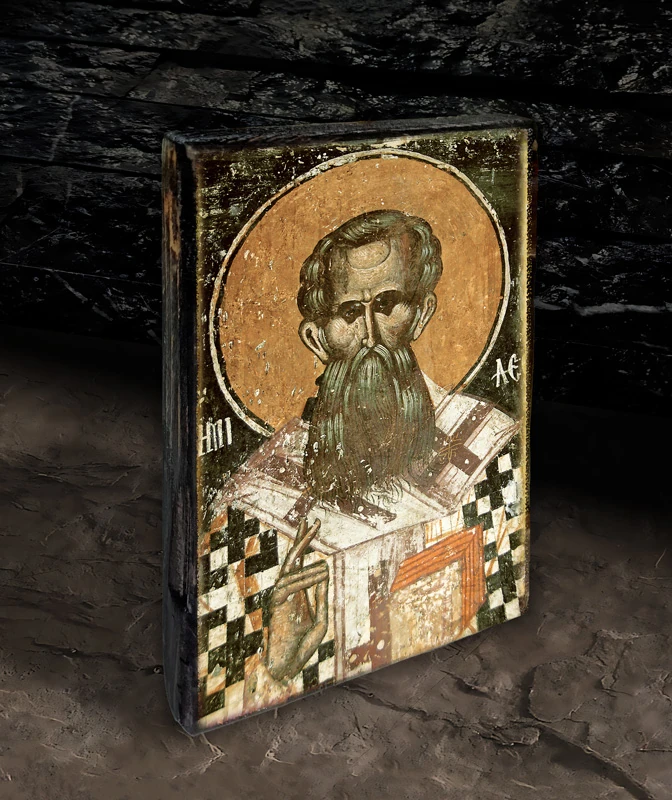
Meletius served as bishop of Sebaste before becoming archbishop of Antioch during the conflicts over Arian teaching. Repeated removal and exile interrupted his ministry, but the OCA life particularly remembers his gentleness. He sought to teach through a kind manner and the example of his own life. He encouraged John Chrysostom and maintained connections with other major teachers of the Church. Later he traveled to Constantinople and presided at the beginning of the Second Ecumenical Council, dying during its proceedings. His commemoration joins doctrinal conviction with patient leadership and a refusal to make harshness the measure of faithfulness.
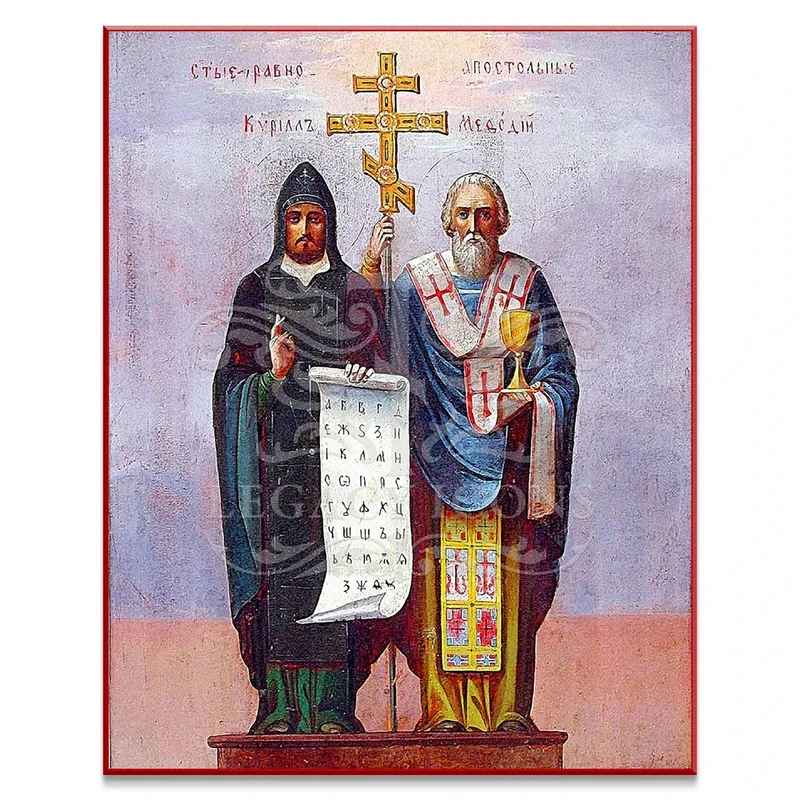
Methodius entered monastic life after earlier administrative service and later joined his younger brother Cyril in teaching Slavic-speaking communities. Their translations and liturgical books made Christian worship accessible in the people's language. After Cyril died in Rome, Methodius continued the mission as archbishop in Moravia and Pannonia. Opposition brought arrest and more than two years of confinement before his release and return. He continued preaching, training disciples, and translating with their assistance. Before his death in 885, he named Gorazd as a successor. His commemoration remembers persistence in a shared work that continued beyond the loss of his brother and through serious institutional conflict.
Methodius left Sicily for monastic life on Chios, where he used his resources to restore a monastery. He later served Patriarch Nikephoros and traveled to Rome on church business. His defense of icon veneration brought repeated imprisonment and severe injury under iconoclast emperors. After the persecution ended, he became Patriarch of Constantinople and helped restore the Church's worship and public life. The OCA remembers his work repairing churches, gathering relics, composing pastoral and liturgical texts, and bringing Nikephoros's remains back from exile. His commemoration joins endurance with reconstruction: a confessor's later task was to help a damaged community worship and recover.
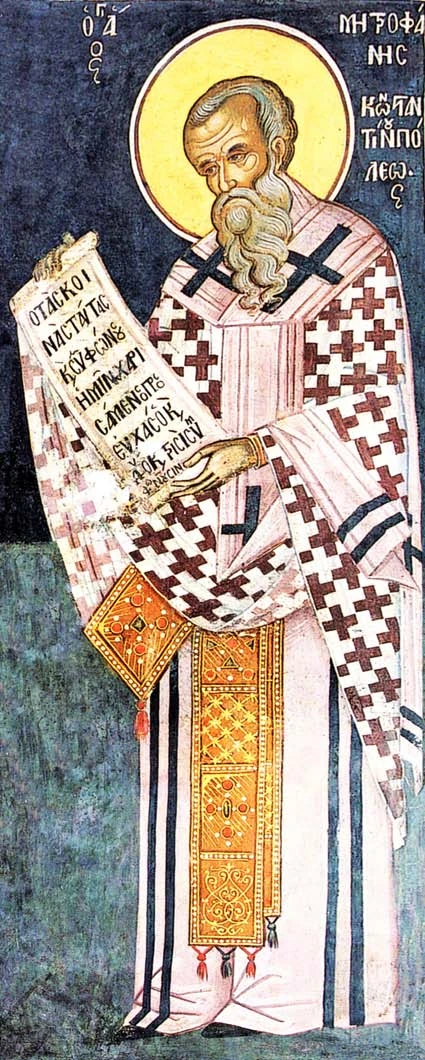
Metrophanes was a son of Dometius and the brother of Probus. His family left Rome for Byzantium, where his father and brother served as bishops before him. Metrophanes later became bishop of the city. In his old age, Alexander represented him at the Council of Nicaea. He named Alexander as his successor.
The directory indexes the OCA full-year calendar, including leap-day commemorations, alongside additional researched profiles. Calendar entries include individual saints, groups, icons and feasts. An entry count is not a count of unique saints. Categories are provisional; follow the linked source.
Dates show commemorations in the referenced calendar year. Movable feasts change annually, and local calendars may differ. Additional jurisdictions, original biographies and icon research remain in progress. This collection does not yet claim complete Eastern Orthodox coverage.
Calendar metadata was retrieved through Orthocal’s source repository and the Orthodox Church in America. Source-only calendar records link to their original accounts; researched profiles include individually sourced artwork.
 Patron SaintTake the quiz