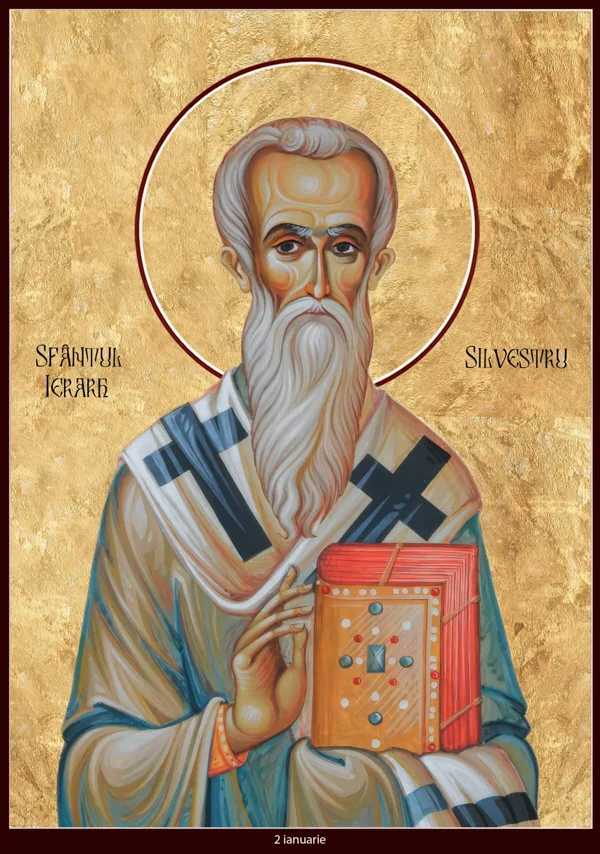
Sylvester grew up in Rome and learned the Christian faith under a priest named Quirinus. The calendar remembers his help for Christians facing persecution. After Miltiades died, Sylvester became bishop of Rome. He provided guidance for the Church and defended Christian teaching about Christ. He died in 335.
Tabitha belonged to the Christian community in Joppa and is remembered for kindness expressed through useful work. She made garments, and the Church honors her as a patron of tailors and seamstresses. When she became ill and died, believers called Peter from nearby Lydda. The account in Acts describes his prayer and her restoration to life. Tabitha’s memory does not depend on public office or a written teaching. The garments associated with her show a life made visible in care for other people, giving dignity to the patient work of skilled hands.
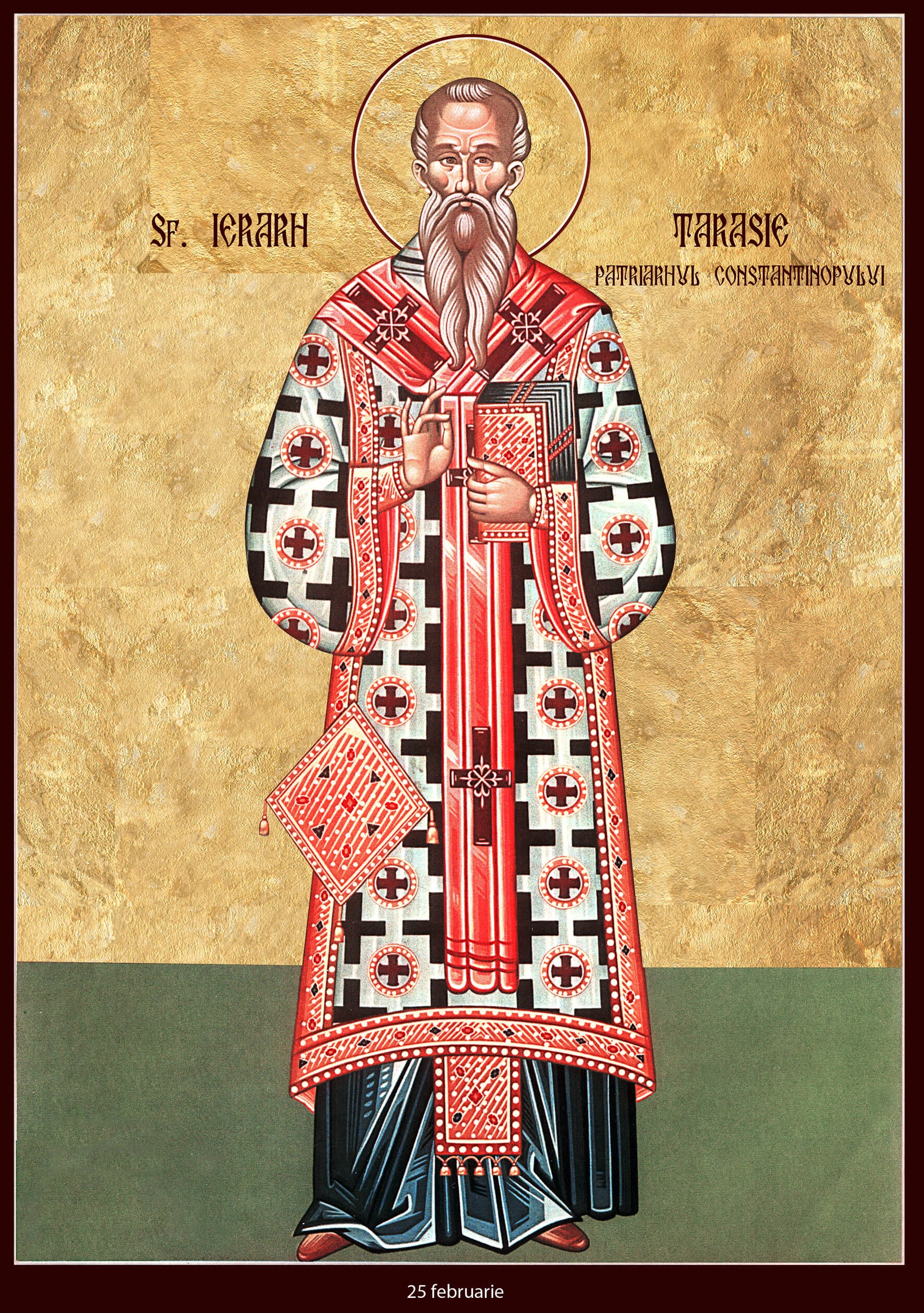
Tarasius worked in the imperial administration before becoming Patriarch of Constantinople. He accepted the office on the condition that a council address the controversy over icons, and he presided at Nicaea in 787. The council affirmed icon veneration and received bishops who repented of their earlier opposition. Tarasius's pastoral work also included direct care for poor people, widows, orphans, and older people. At Pascha he provided a meal and served the guests himself. The OCA remembers his refusal to dissolve an imperial marriage on a false accusation. He died in 806, leaving a commemoration that joins doctrinal leadership with practical generosity.
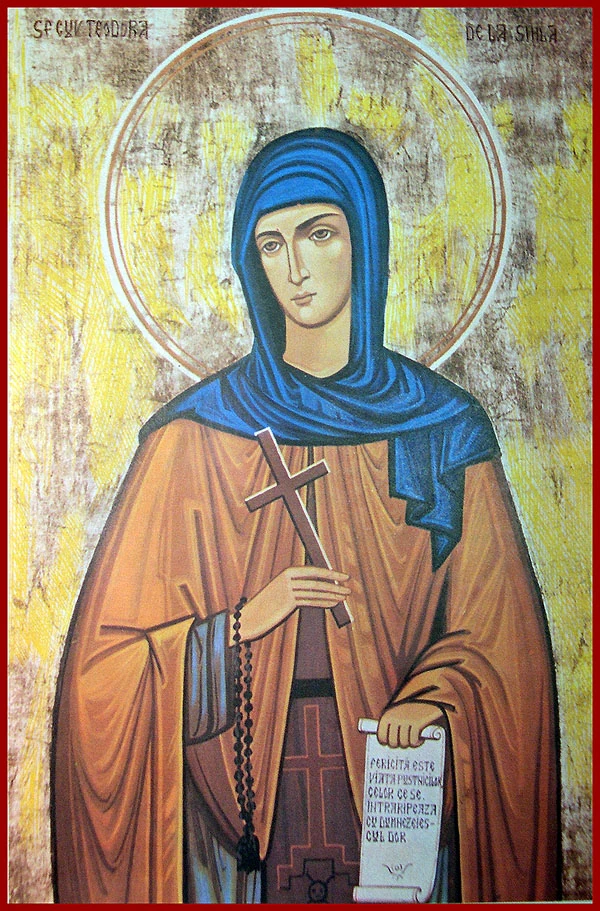
Theodora was born in the Neamț region of Romania. After a period of marriage, she and her husband agreed to enter monasteries. Invasion later forced her and her spiritual mother into the mountains. With the counsel of monastic elders, Theodora eventually settled near Sihla, where she lived in solitude and received occasional visits from her confessor. When displaced nuns needed shelter, she gave them her cell and moved to a cave. Her traditional life culminates in receiving Communion before her death. The Church remembers sustained prayer joined to humility and hospitality in hardship.
Theodora was the wife of Emperor Justinian and an influential figure in sixth-century Byzantine government. The OCA remembrance describes her repentance and her role as a political adviser, including during the Nika crisis. A modern Greek Orthodox Archdiocese account also remembers her use of authority against forced prostitution and the trafficking of young women, connecting her memory with a ministry for survivors. Her life belongs to a complex imperial setting rather than a simple account of private devotion. Orthodox Christians commemorate her with Justinian, while distinguishing her from the later empress Theodora associated with the restoration of holy icons.
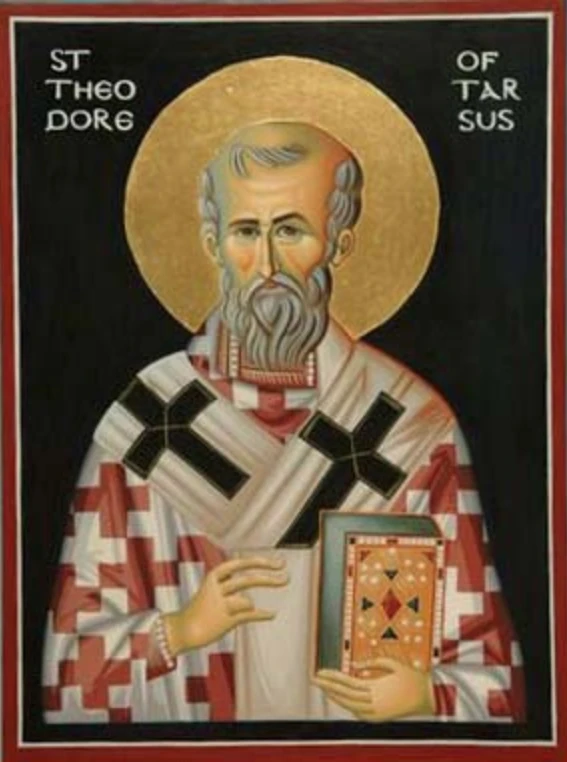
Theodore was a Greek monk from Tarsus living in Rome when he was chosen as archbishop of Canterbury. He began this new responsibility late in life, with Adrian as an important companion. In England he traveled widely, filled vacant dioceses after plague, and established structures for church leadership. He also supported a school at Canterbury where Greek was taught. Councils at Hertford and Hatfield helped address common discipline and doctrine. The OCA life remembers his ability to resolve difficult episcopal disputes while recognizing the worth of the people involved. His legacy joins learning with patient organization.
The directory indexes the OCA full-year calendar, including leap-day commemorations, alongside additional researched profiles. Calendar entries include individual saints, groups, icons and feasts. An entry count is not a count of unique saints. Categories are provisional; follow the linked source.
Dates show commemorations in the referenced calendar year. Movable feasts change annually, and local calendars may differ. Additional jurisdictions, original biographies and icon research remain in progress. This collection does not yet claim complete Eastern Orthodox coverage.
Calendar metadata was retrieved through Orthocal’s source repository and the Orthodox Church in America. Source-only calendar records link to their original accounts; researched profiles include individually sourced artwork.
 Patron SaintTake the quiz