John Cassian traveled with his friend Germanus to learn from monks in Palestine and Egypt. He listened carefully to their experience of prayer, humility, friendship, and the struggle against destructive habits. He later served with John Chrysostom and established monasteries in Gaul. His Institutes and Conferences carried the experience of Eastern monastic life to readers in the West. Cassian’s witness makes learning a form of patient listening rather than the collection of impressive ideas. The wisdom he shared grew from conversations with people whose daily lives had been shaped by prayer and practical spiritual effort.
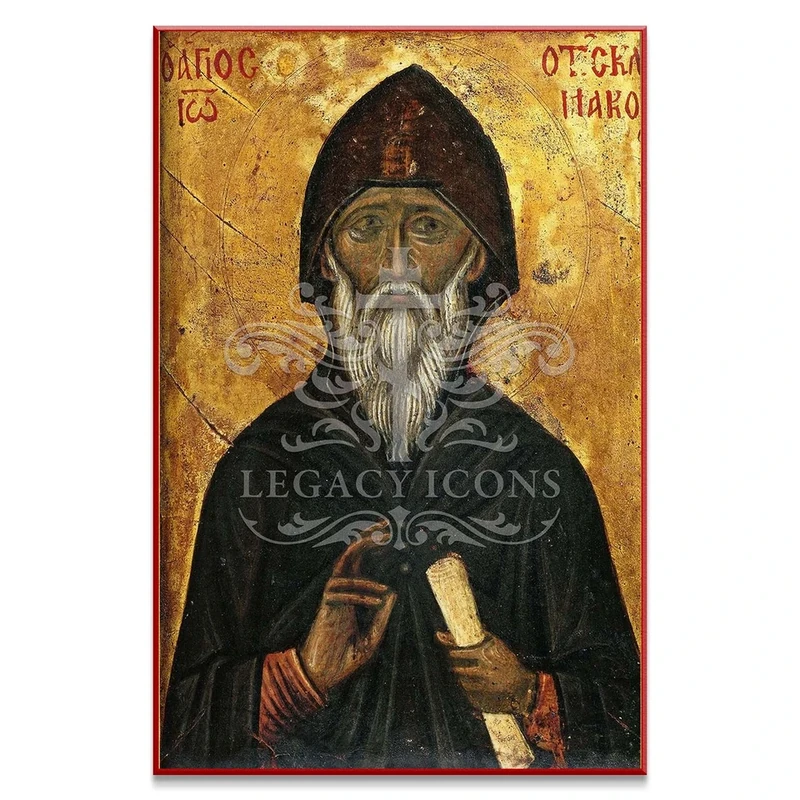
John lived in the monastic world of Sinai, first under a guide and later in solitude before serving as abbot. At another abbot’s request he wrote The Ladder of Divine Ascent, arranging instruction about the spiritual life in thirty steps. The work attends closely to pride, anger, discernment, repentance, and love. The Church also remembers him on the fourth Sunday of Great Lent. His teaching treats growth as patient work rather than instant achievement. Though written for monks, his reflections invite every reader to examine motives carefully and seek guidance appropriate to their circumstances.
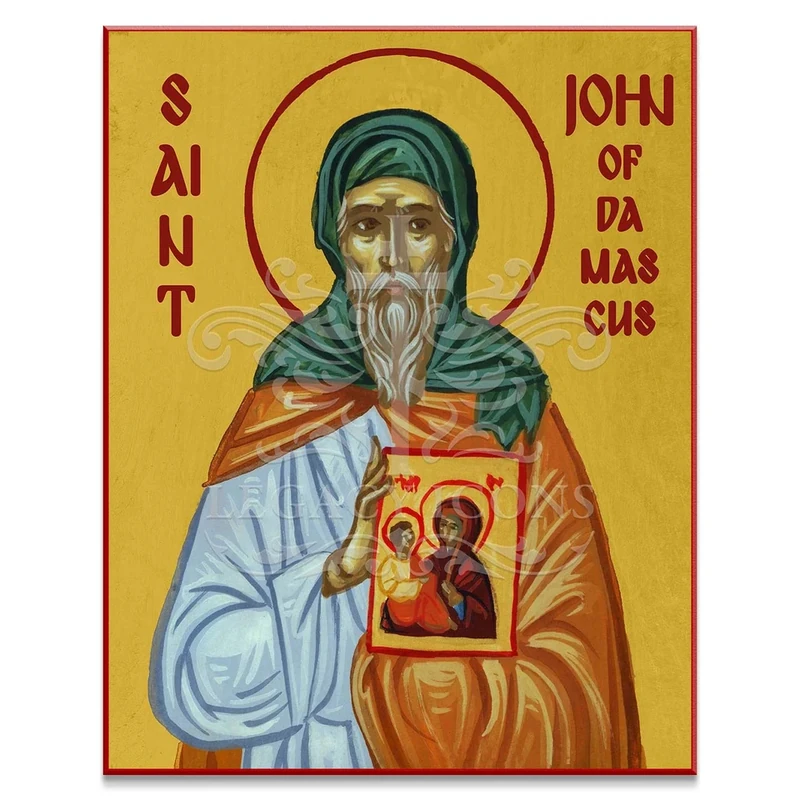
John grew up in a Christian family in Damascus and received a broad education. His traditional life describes public service before his entry into the Monastery of Saint Savva near Jerusalem. He became a major defender of the veneration of icons and wrote theological works that helped explain the Orthodox faith. He also composed hymns, including words used in the Church’s care for the grieving. John’s example brings learning, prayer, and artistic work into a common purpose. Knowledge becomes service when it helps a community worship, understand its faith, and find words of hope in sorrow.
John used an inheritance to establish a church and entered monastic life while young. He later became bishop of Colonia in Armenia, but disputes involving civil authority burdened his ministry. He eventually reached the Lavra of Sabbas in Palestine and concealed his episcopal rank, accepting ordinary work as a novice. The account remembers him serving food and helping construct buildings before his identity became known. Long periods of silence and solitude followed, though he sometimes returned to encourage the community in difficulty. His remembrance places humble labor beside prayer and the relinquishment of public recognition.
John of Manglisi was born Joseph Saakadze in 1666 and became a monk in the Gareji desert. His parish biography describes his care and education of orphaned and poor youths. After becoming a bishop, he continued missionary work beyond Georgia. In Derbent he established a wooden church and worked with priests he had trained. He later helped establish a church and school in Kizlyar. He died in 1751; his relics were eventually brought to Tbilisi.
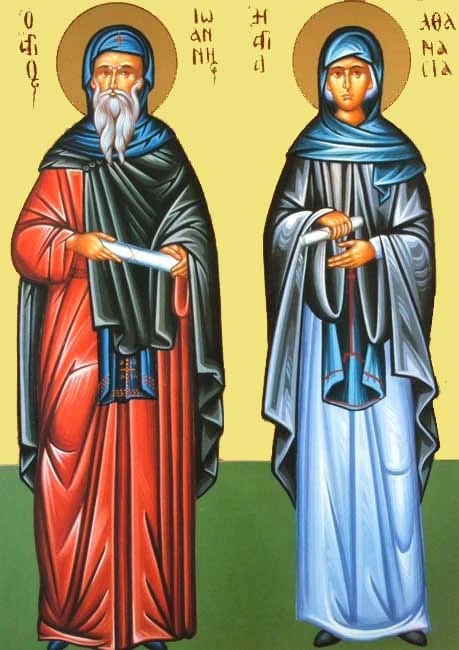
John sought monastic life while young and became a disciple of Gregory the Decapolite. During the persecution of sacred icons, he traveled with Gregory and Joseph the Hymnographer, encouraging Christians to continue honoring icons. John buried Gregory after his death. John died soon afterward, with Joseph attending him. Joseph later brought the relics of both men to a church dedicated to Nicholas near Byzantium.
The directory indexes the OCA full-year calendar, including leap-day commemorations, alongside additional researched profiles. Calendar entries include individual saints, groups, icons and feasts. An entry count is not a count of unique saints. Categories are provisional; follow the linked source.
Dates show commemorations in the referenced calendar year. Movable feasts change annually, and local calendars may differ. Additional jurisdictions, original biographies and icon research remain in progress. This collection does not yet claim complete Eastern Orthodox coverage.
Calendar metadata was retrieved through Orthocal’s source repository and the Orthodox Church in America. Source-only calendar records link to their original accounts; researched profiles include individually sourced artwork.
 Patron SaintTake the quiz